Author: Leilani Norman

  • The Invisible Contributions of Informal Caregivers

    The Invisible Contributions of Informal Caregivers

    Informal caregivers are family members and friends who give their time, money, and love to someone with a chronic health condition. They often sacrifice their health, financial stability, and quality of life. The majority are working full-time. Despite these challenges, informal caregivers are crucial in our healthcare system. As of 2021, 38 million Americans are informal caregivers, providing over $600 billion in estimated economic value. Unpaid carers in England and Wales contribute a staggering £445 million to the economy every day – that’s £162 billion annually.

    Women contribute to 71% of the global hours of informal care.

    In addition to their economic contributions, informal caregivers provide essential emotional and social support to their loved ones. They help to alleviate feelings of isolation and loneliness and give a sense of companionship and connection.

    State and Federal initiatives to support unpaid caregivers are growing. The RAISE Family Caregivers Act, signed into law in 2018, requires developing a national strategy to support unpaid caregivers. The plan will include recommendations for improving caregiver training and support, promoting caregiver health and well-being, and increasing access to respite care.
    Reference: National Alliance for Caregiving. (2018). RAISE Family Caregivers Act signed into law. https://www.caregiving.org/raise-family-caregivers-act-signed-law/

    Several state initiatives to support unpaid caregivers in the US address diversity and inclusion, recognizing that caregiving can impact people from diverse backgrounds differently. New York State’s Caregiver Support Initiative focuses explicitly on supporting caregivers from diverse communities, including LGBTQIA+ caregivers and caregivers from racial and ethnic minority groups. The program provides support services and resources that are culturally and linguistically appropriate and are designed to meet the unique needs of diverse caregivers. California’s Caregiver Resource Centers provide services and resources to a diverse population of caregivers, including those from underserved communities, such as low-income families, immigrants, and rural communities. The program focuses on providing culturally and linguistically appropriate services and resources. Minnesota’s Live Well at Home grant program focuses on supporting caregivers from diverse communities. The program provides funding for community-based organizations to develop and implement caregiver support services that are culturally and linguistically appropriate.

    Thanks for reading,
    Leilani

  • Great Care Begins with Self Care

    Great Care Begins with Self Care

    Caring for family members presents many opportunities to serve, to love, and to grow from the difficulties inherent in the process. Dealing with difficult family members, especially when a legacy of trauma is present, can be one of the greatest challenges of our lives. Learning to give ourselves the love and kindness we don’t hesitate to give others is critical. This is a helpful article on the subject of difficult parent care from WebMd.
  • Broken to Pieces

    Broken to Pieces

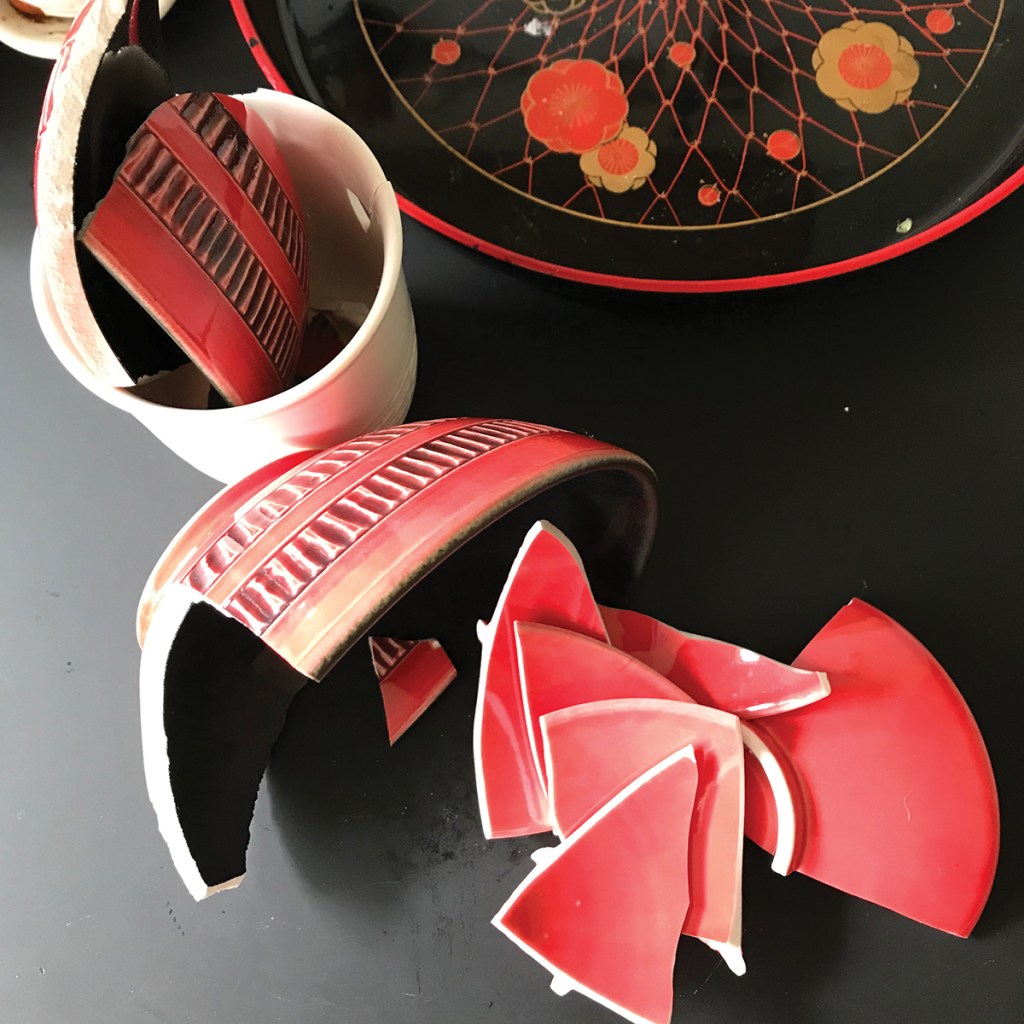
    Learning from loss is possible with the right attitude. I contemplated this when I knocked a set of handmade bowls to the countertop, breaking them into pieces. The sting of tears came quickly. I had purchased them as a gift for my mother, who died recently. 

    Just like for so many others, the losses in my life over the last several years have been stacking up. I have been seeking a path to accept all of it; the ups and downs of everyday life.

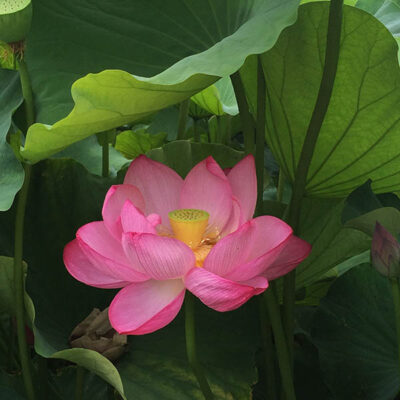
    Thich Nhat Hahn, beloved teacher, Buddhist monk, and activist wrote, “Most people are afraid of suffering. But suffering is a kind of mud to help the lotus flower of happiness grow. There can be no lotus flower without the mud.”

    Standing in the mud, I breathe, raise my eyes to the sky, and I know that I am free. The trick is to keep breathing.

    Photo: Leilani Norman

  • Healthcare Advocacy is Art

    Healthcare Advocacy is Art

    My mother was Clara Kawahara Norman, a dedicated healthcare practitioner and humanitarian. Originally from rural Hawaii, Clara was a Nurse Anesthetist for fifty years. She worked in rural communities for the majority of her career, and in her spare time, she volunteered. When she was in her late sixties, she made the long trek from California to an isolated clinic in the mountains of Guatemala with a humanitarian organization. Preceding each trip, she collected medical supplies and clothing to donate. Our family cherishes Clara’s memories and photographs of the surgical teams from around the world. They put in long hours and traveled far to provide healthcare for people living in poverty.  My mother said that they really enjoyed themselves doing that difficult work.

    Clara was associated with Harvard Medical School and Brigham & Women’s Hospital in Boston, MA. She proudly served on the surgical team that carried out the first successful kidney transplant in 1953.

    When my mother was at the end of her 95 years of life, one of the nurses said, “Thank you, Clara, for the hundreds of patients you took care of.”

    Paul Farmer was another extraordinary human being, whom I had only recently become aware of through the film “Bending the Arc”. The healthcare visionary and several close colleagues founded Partners in Health (PIH), bringing compassion and “accompaniment” into poor communities with great success. I highly recommend that you view the film, to witness the splendor of Farmer’s far-reaching contribution to the relief of suffering in the unrelenting war against Tuberculosis and HIV/AIDS. PIH has changed the lives of millions in some of the most challenging, impoverished conditions on earth.


    “In the Buddhist tradition, Dr. Paul Farmer would have been known as a Bodhisattva, a being whose deep understanding of the essential unity of life finds spontaneous, uncontrived expression in seeking the well-being of others. Like the late Vietnamese Zen Buddhist monk Thich Nhat Hanh, Farmer brought peace into the lives of those he met. In the Jewish tradition, he would have been called a real mensch, a person who instantly generated respect and admiration for embodying the highest human virtues of generosity, kindness, and wisdom.

    In a world flooded with greed, hate, and delusion, Farmer’s presence was an enormous gift. We need his example more than ever. His simple retort to defeatism rings in my ear: “I’m not cynical. Cynicism is a dead end.”

    Let us remember him, celebrate his life, and carry on his legacy, doing what we can to relieve suffering wherever we find it.” Well said.

    Bryan L. Tucker
    https://www.bostonglobe.com/2022/02/25/opinion/dr-paul-farmer-healing-presence-bedsides-world-over/


  • Breathe.

    Breathe.

    Thích Nhat Hạnh, Buddhist monk, peace activist and artist, recommends a simple method of living in the present moment. Breathing in, we think, “I am breathing in” and exhaling, we think, “I am breathing in”. One can simplify it further by just thinking, “In” and “Out” as we inhale and exhale. His wonderful book, Call Me by My True Names, offers listeners a beautifully poetic, healing experience in compassion for ourselves and everyone around us.  As Hanh says, “Happiness is Available.  Please help yourself to it.”

  • West Coast Whitewash

    West Coast Whitewash

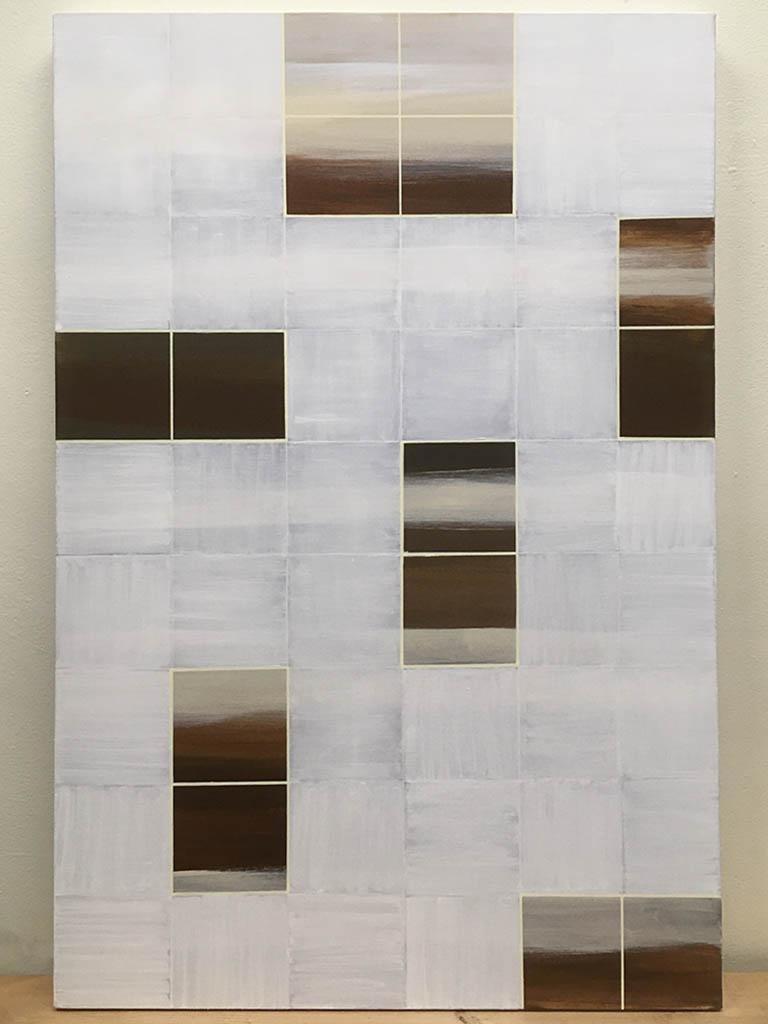
    “West Coast Whitewash”, 36″ x 24″ x 1.75″, acrylic on canvas

    Among some folks of West Coast cities there exists a notion that they “don’t see color”. I’m somewhat colorful myself and I find that concept rather offensive. Why not be curious about difference, rather than ignore them?  I encourage all of us to engage in conversation with people who are different from ourselves.

    This painting was inspired by skin color tones. I overlaid the stripes of color with a grid, which suggest artificial social conventions. The next step was to cover certain sections of the canvas with many layers of transparent white paint.

    West Coast Whitewash, work in progress
    Work in progress, second phase
    Work in progress, phase three
    West Coast Whitewash, detail 1
    West Coast Whitewash, detail 2